
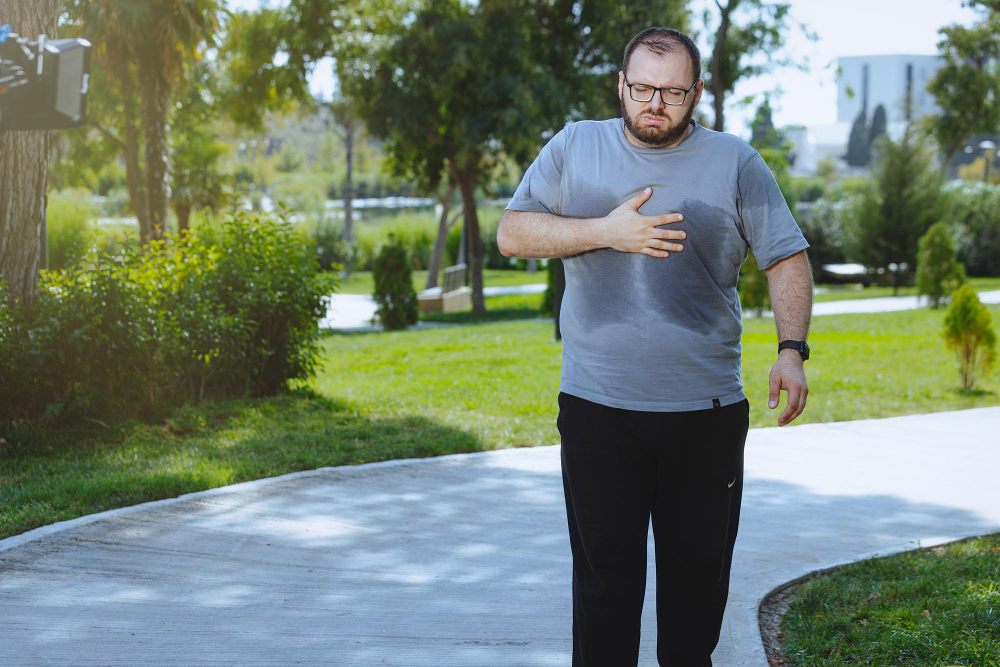
What Is Obesity?
Obesity means having too much body fat. It is different from just being overweight. In fact, doctors use a measure called Body Mass Index (BMI) to check for obesity. BMI compares your weight to your height. If your BMI is 30 or higher, you are considered obese. According to the World Health Organization, obesity rates are rising worldwide. As a result, more people are facing health problems linked to obesity affecting health.
How Obesity Affects Health
Obesity can harm almost every part of your body. For example, it can make your heart work harder. It can also raise your blood pressure. Because of this, you may feel tired more often. In addition, obesity can affect your mood and energy. Over time, these changes may lead to serious health issues. Even small weight loss can help improve your health.
Common Causes of Obesity
Many things can lead to obesity. While eating too much is a main cause, it is not the only one. Other common causes include:
Sometimes, a mix of these factors leads to obesity. Therefore, understanding your own risks is important.
Diagnosing Obesity
Doctors use BMI to diagnose obesity. First, they measure your height and weight. Then, they calculate your BMI. For adults, a BMI of 30 or above means obesity. However, doctors may also check your waist size. This helps find extra fat around your belly. In some cases, blood tests are used to check for health risks of obesity. Early diagnosis can help with better obesity management.
Health Risks Linked to Obesity
Obesity affecting health can lead to many problems. Some of the most common health risks of obesity include:
Because of these risks, managing obesity is very important for long-term health.
Evidence-Based Treatment Options
Doctors use several safe methods to help manage obesity. For example, they may suggest:
Each person’s treatment plan is different. Therefore, it is important to work with your healthcare provider to find what works best for you.
Lifestyle Changes for Managing Obesity
Making small changes in your daily life can help with obesity management. For instance, you can:
Over time, these habits can make a big difference. Even small steps can help you reach a healthier weight.
Preventing Obesity
Prevention is key to stopping obesity affecting health. You can lower your risk by:
Because healthy habits start at home, everyone can play a part in preventing obesity. Early action helps protect your health for years to come.