
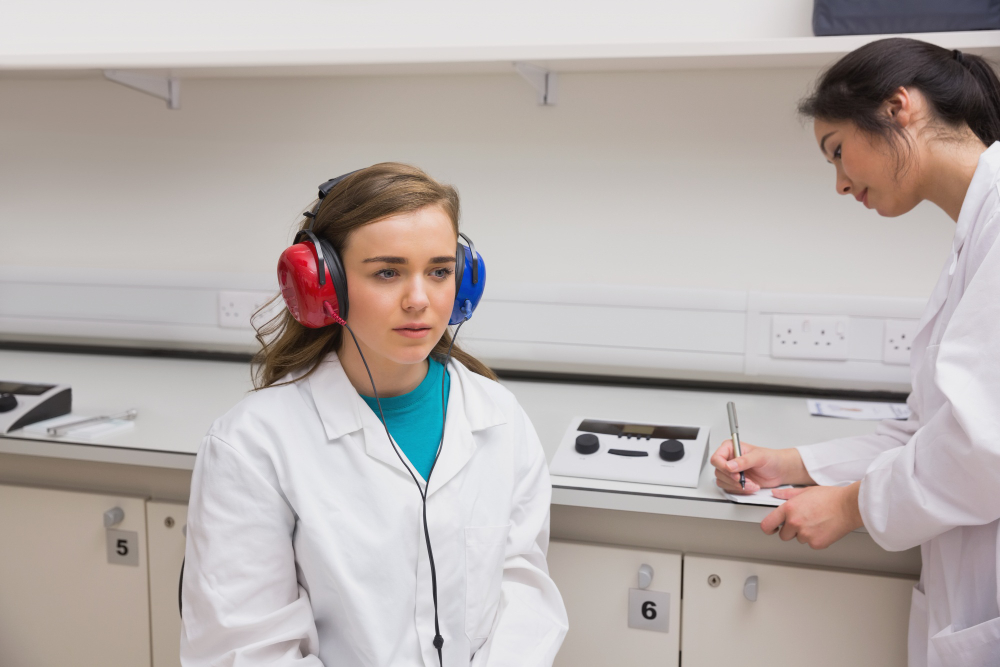
Hearing well in noisy places can be hard for many people. Speech in noise testing helps check how well you understand speech when there is background noise. This test is important because it shows how your ears and brain work together in real-life situations. Many people find that a regular hearing test does not show all their hearing problems. However, speech in noise testing can give a clearer picture of your hearing health.
What Is Speech in Noise Testing?
Speech in noise testing is a special hearing test. It checks how well you can hear and understand words or sentences when there is background noise. For example, you might hear a voice talking while other sounds play in the background. This test is different from a regular hearing test, which is usually done in a quiet room. Because most people spend time in noisy places, this test is very helpful. It shows how your ears work in real-world settings, like busy restaurants or crowded streets.
Why Is Speech in Noise Testing Important?
Many people notice that hearing in quiet places is easy, but noisy places are much harder. For instance, you may struggle to follow a conversation at a party or in a busy café. Speech in noise testing helps find out why this happens. It is especially useful for:
Because this test checks real-life hearing, it can help your doctor or audiologist find the best treatment for you.
How Is Speech in Noise Testing Performed?
The test is simple and does not hurt. First, you will sit in a quiet room or wear headphones. Next, you will hear words or sentences mixed with background noise, like people talking or music. You will be asked to repeat what you hear. The noise level may change during the test. Some common methods include:
After the test, the audiologist will review your answers and explain the results.
Understanding the Results
After speech in noise testing, you will get a score. This score shows how well you understood speech in noisy settings. A high score means you can hear well even with background noise. A low score may mean you have trouble hearing in noisy places. Based on your results, your doctor may suggest:
Because each person is different, your doctor will help you choose the best next steps.
Benefits and Limitations
Speech in noise testing has many benefits, but it also has some limits. Here are some key points:
However, there are some limitations:
Frequently Asked Questions
When to Consider Speech in Noise Testing
You may need speech in noise testing if you notice:
If you have any of these signs, talk to a hearing specialist. Early testing can help you get the right support.
Prevention and Hearing Health Tips
Protecting your hearing is important for everyone. Here are some simple tips:
By following these steps, you can help keep your ears healthy for years to come.
If you have concerns about your hearing, consult a hearing specialist for personalized advice.