
Introduction to CT Brain Scans
A CT Brain scan is a special test that takes detailed pictures of your brain. Doctors use this test to find out what is happening inside your head. Often, people hear about a CT brain scan when they have headaches, injuries, or other symptoms. In this blog, you will learn what a CT Brain scan is, how it works, and what to expect from the procedure.
What Is a CT Brain Scan?
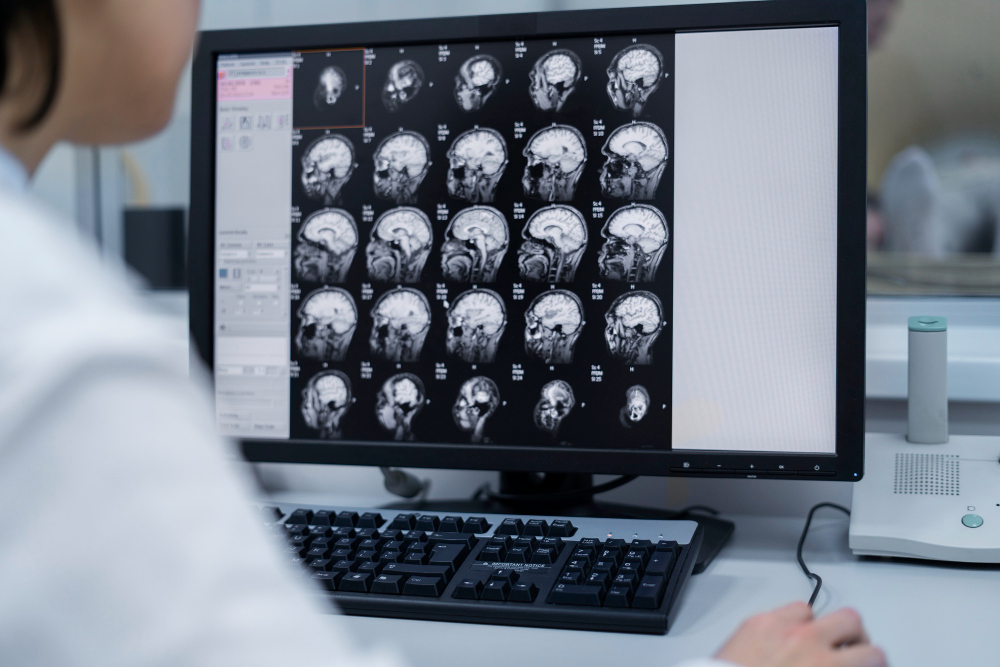
A CT Brain scan, also called a head CT, uses X-rays and a computer to make clear images of your brain. Unlike regular X-rays, a CT scan shows more detail. This helps doctors see problems like bleeding, swelling, or tumors. Sometimes, doctors use a CT brain scan to check for stroke or other sudden changes in the brain.
Why Is a CT Brain Scan Done?
Doctors order a CT brain scan for many reasons. For example, you may need one if you have:
Additionally, a CT scan of the head can help find infections, tumors, or bleeding. Doctors may also use it to check for problems after surgery.
How Does a CT Brain Scan Work?
During a CT brain scan, you lie on a table that moves into a large, round machine. The machine takes many X-ray pictures from different angles. Then, a computer puts these pictures together to make a clear image of your brain. Sometimes, doctors use a special dye called contrast to help certain areas show up better. This dye may be given by mouth or through a small needle in your arm.
What to Expect Before, During, and After the Procedure
Before the CT Brain Scan
During the CT Brain Scan
After the CT Brain Scan
Safety, Risks, and Benefits
CT brain scans are safe for most people. However, they use a small amount of radiation. For most adults, the benefits are much greater than the risks. Children and pregnant women should only have a CT scan if it is really needed. The contrast dye is safe for most people, but it can cause allergic reactions in rare cases. If you have kidney problems, talk to your doctor before getting contrast dye. According to the CDC, CT scans are helpful for quick and accurate diagnosis.
How to Prepare for a CT Brain Scan
Preparing for a CT brain scan is simple. Here are some easy steps:
If you have questions, ask your healthcare team before the scan.
Frequently Asked Questions (FAQs)
When to Consult a Doctor
If you have symptoms like sudden headaches, confusion, weakness, or seizures, see a doctor right away. Early testing with a CT brain scan can help find serious problems quickly. Always talk to your healthcare provider if you have questions about the CT brain scan procedure or your health.
Conclusion
In summary, a CT brain scan is a safe and helpful test for many brain problems. It gives doctors clear images to help diagnose and treat you. If you have concerns or need more information, consult a healthcare professional for personalized advice about CT brain scans.